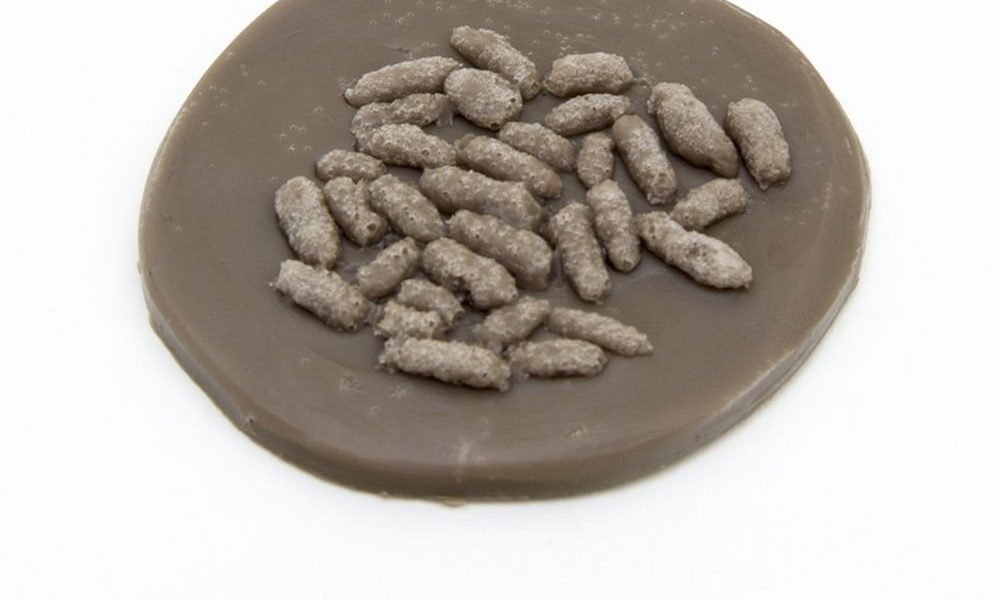

Chipmunk droppings are small, cylindrical pellets usually dark brown or black in color. You might stumble upon them near their nesting areas or along their foraging trails. These droppings are typically around a quarter of an inch in length and resemble grains of rice. Identifying what chipmunk droppings look like is important for understanding their presence in your surroundings. Keep reading to learn more about chipmunk droppings and how to distinguish them from other small animal scat.

What Does Chipmunk Droppings Look Like: A Detailed Guide
Welcome to our comprehensive guide on identifying chipmunk droppings! If you’ve ever wondered what these small creatures leave behind, you’re in the right place. Chipmunk droppings can provide valuable insights into their habits, diet, and presence in your surroundings. In this article, we will delve deep into the world of chipmunk droppings, exploring their appearance, size, texture, and more. Let’s get started!
The Size and Shape of Chipmunk Droppings
Chipmunk droppings are typically small and cylindrical in shape, resembling tiny grains of rice. They are usually less than a quarter of an inch in length, making them quite distinguishable from larger rodent droppings. Due to their size, chipmunk droppings can easily go unnoticed if you’re not paying close attention to your surroundings.
Color and Texture
When it comes to the color of chipmunk droppings, they are often dark brown or black in hue. The texture is smooth and firm, indicating that the droppings are relatively fresh. Unlike bird droppings, which may contain undigested food particles, chipmunk droppings are more uniform in appearance.
Location and Distribution
Chipmunks are known for their burrowing behavior, creating extensive underground tunnels and chambers. As a result, you are likely to find their droppings near these burrow entrances or along their foraging paths. Look for chipmunk droppings near woodpiles, rock walls, or areas with abundant vegetation where these creatures are likely to search for food.
Differentiating Chipmunk Droppings from Other Animals
It’s essential to be able to distinguish chipmunk droppings from those of other animals, such as squirrels or mice. While chipmunk droppings are small and cylindrical, squirrel droppings are larger and twisted in shape. On the other hand, mouse droppings are tiny and pointed at both ends, unlike the rounded edges of chipmunk droppings.
Signs of Infestation
Identifying chipmunk droppings in and around your property can serve as an early indication of a potential infestation. If you notice an abundance of droppings in specific areas, it may be a sign that chipmunks have taken up residence nearby. Keep an eye out for chew marks on plants, fences, or outdoor structures, as chipmunks are known for their gnawing behavior.
Health Risks and Prevention
While chipmunks may appear cute and harmless, they can pose health risks if their droppings are left unattended. Chipmunk droppings may contain harmful bacteria and parasites that can spread diseases to humans and pets. To prevent potential health hazards, it’s crucial to clean up any droppings promptly and take measures to deter chipmunks from frequenting your property.
In conclusion, being able to recognize and understand what chipmunk droppings look like is essential for maintaining a safe and healthy environment. By familiarizing yourself with the characteristics of chipmunk droppings, you can take proactive steps to prevent infestations and protect your home and family. Remember to stay vigilant, practice proper sanitation, and seek professional assistance if needed to address any chipmunk-related concerns.
We hope this guide has been informative and helpful in your quest to identify chipmunk droppings. Stay tuned for more insights and tips on dealing with wildlife encounters in your surroundings!
How To Identify Squirrel Poop vs Rat Poop / Droppings: Side by Side Comparison
Frequently Asked Questions
How can I identify chipmunk droppings?
Chipmunk droppings are small, cylindrical pellets that resemble grains of rice, typically about ¼ inch long. They are dark brown or black in color and may contain bits of undigested food like seeds or insects.
Are chipmunk droppings similar to mouse or rat droppings?
Chipmunk droppings can be distinguished from mouse or rat droppings by their smaller size and more cylindrical shape. Mouse droppings are smaller and more pointed, while rat droppings are larger and more blunt at the ends.
Where can I usually find chipmunk droppings?
Chipmunk droppings are commonly found near their nesting areas, which are often in wooded areas, under decks, or around rock walls. They may also be present near sources of food, like bird feeders or garden beds.
Final Thoughts
Chipmunk droppings resemble small brown pellets. They are typically about 1/4 inch long and have a cylindrical shape. These droppings can often be found near their burrows or along their foraging paths. Understanding what chipmunk droppings look like can help you identify their presence in your yard or garden. Keep an eye out for these distinctive droppings to take appropriate steps in managing chipmunk activity.