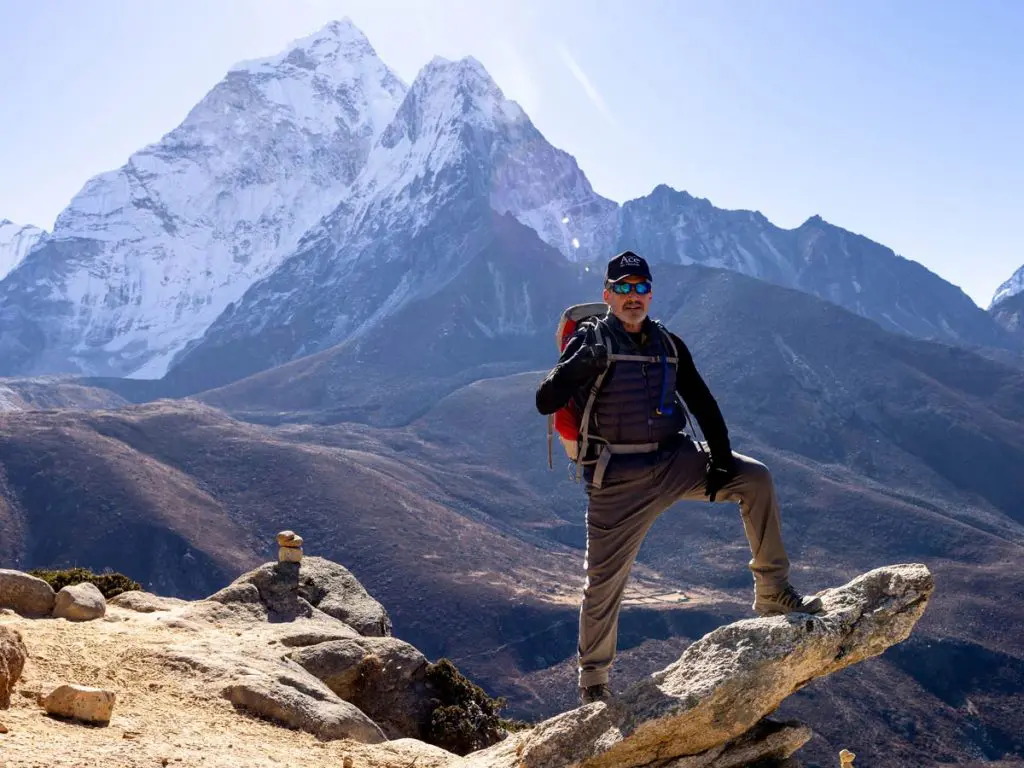
Getting ready for your Everest Base Camp trek itinerary is quite an adventure in itself! It’s one of the most iconic treks in the world, with views of the majestic Himalayas, including Mount Everest. But the trek is not easy either in terms of altitude, underfoot conditions, or weather, so preparation is key to enjoying a safe and comfortable hike to the top.
The initial prelude is a sound body. You don’t need to be an elite athlete, but fitness is important. Cardiovascular fitness is especially crucial, since you’ll be hiking several hours a day over uneven ground, usually at high elevations. Regular aerobic exercises such as jogging, cycling, or swimming are the ticket to increasing endurance. Strength training, in particular for the legs and core, will also help, as you’ll be hiking with a daypack on uneven and sometimes steep terrain. Also, do some hill or uneven terrain walking to simulate what it will be like on the trail.
Acclimatization is also another important part of the trek. The more you climb, the less oxygen there is, and you can suffer from altitude sickness. It’s important to ease in and give your body time to acclimate to the altitude. Rest days for acclimatization. Rest days are built into the itinerary for the EBC trek. For example, when you get to Namche Bazaar, you get a day of rest and exploration time around the town, which allows your body to acclimatize to the altitude. In the early days, keep up your fluids, and don’t use any alcohol or do heavy exercise, to give your body a chance to adjust.
Proper packing is an important part of your preparation. Because you’ll be hiking in the cold at high altitude, the correct gear is paramount. Sturdy walking boots are a must because the ground is rocky and uneven. Those babies should be heavily broken in before your trek to prevent blisters. Clothing- Besides heavy-duty boots, layer, layer, layer. Day and night temperatures can differ substantially, and they can drop dramatically in high altitudes. Pack lightweight, moisture-wicking clothing for hiking, and take warm layers (fleece jackets, down jackets, thermal underwear) for cooler mornings and evenings. A warm sleeping bag is recommended, as temperatures at higher altitudes can drop below freezing.
Beyond your clothing and equipment, you’ll want key accessories like a sun hat, sunglasses with UV protection, and a headlamp for early morning or evening hikes. Poles can bring additional stability and relieve some pressure from your knees, especially if you are going down for a while. Also, make sure not to overlook personal items like a water bottle (or hydration system) and snacks because it’s important to have plenty of fuel on hand throughout the day.
The most important preparation is health and safety. Further, consult your doctor long before your departure time to make sure you are healthy and discuss the risks of trekking at high altitudes. If you have a history of altitude sickness, your doctor might prescribe medication such as Diamox to facilitate acclimatization. And don’t forget to have travel insurance that will cover the trekking and potential evacuations. This policy should also include emergency medical attention and lost luggage.
Mental Preparation The most crucial thing for me is to be prepared. The EBC trek is hard, and the average duration of the daily walks is 5-8 hours. You will have hard days, physically and emotionally, especially at high altitude when you can become fatigued in a matter of minutes. Keep your spirit high by remembering the exceptional views and the accomplishment you will feel after you reach Base Camp. It’s beneficial to have a good attitude, pace, and to soak in the environment/nature on all sides.
Finally, knowing the culture and customs of the area will enhance your experience of the trek. The sherpa people of the Everest region have a rich culture, and it’s good to know a little about their traditional customs and way of life if you are to make the most of your time here. It is also a good idea to pick up some basic Nepali to talk to locals, along with keeping in mind that the trek is not just about making it to the top, but experiencing the culture and the landscape of the Khumbu region.
In short, being physically fit, equipped, acclimatized , and mentally set for the Everest Base Camp trek is most important. Planning, keeping well, and taking it slow on the way, you can hit the road and have the experience of your life, and keep your life as well.
Why is prep so important for the EBC trek?
Climbing Everest Base Camp, preparing for the Everest Base Camp (EBC) trek is quite important as it directly affects your health, comfort, and the whole experience of the trek too. The journey is very difficult physically and mentally, and you really need a good base of fitness and knowledge, and gear. From the high altitude, diversified landforms, and capricious changes of weather, its preparation is quite necessary. Without the right preparation, the trekkers could suffer altitude sickness, exhaustion, or discomfort with bad equipment. With sound preparations, you can take on the trek with confidence and enjoy the breathtaking scenery, Sherpa culture, and adrenaline-pumping exhilaration when you reach Base Camp. This preparation includes physical training, what to wear, understanding the risks of high-altitude trekking, and being mentally prepared for what lies ahead. You need to allow time to properly acclimate and should not underestimate the challenge of this iconic trek. Preparedness – Its Importance for Your Safety and Success on the Everest Base Camp Trek. A prepared trekker has a better shot at managing the physical challenge, has a rich, rewarding, and safe trek to EBC.
Physical Conditioning: Gaining and Maintaining Strength and Stamina
Why is physical fitness important for the Everest Base Camp hike? Physical fitness is important for the Everest Base Camp trek as it will help to develop the required strength and endurance to face the tough terrain and strenuous climbs for the hike. The trek isn’t technically challenging, but the altitude and the length of the hiking days can be taxing on your body. Cardiovascular fitness is particularly important, as you will be hiking for 5-8 hours per day at moderate to high altitudes. Those are all great choices, and you can choose anything from running and cycling to swimming, all of which will improve your cardiovascular capacity. Then there are the squats, lunges, and push-ups themselves, which in turn can double up as strength training for your legs, core, and upper body, which in time could contribute to maintaining good posture on wonky terrain. Including hill work and climbing (https://medium.com/wintoncentre/preparing-for-a-hill-trek-8e06896b8547) will help to mimic what the trek will be like. Additionally, being strong enough to carry a daypack without discomfort is critical, so any type of weight training can be beneficial. Begin training several months before the trek to develop stamina gradually. The better shape you’re in, the more you’ll manage the physical demands of the EBC trek, and the more likely you’ll be to have a sense of enjoyment throughout.
Altitude Acclimatization: Learning To Prevent Altitude Sickness
Acclimatization to the altitude is key in training for the Everest Base Camp trek. Oxygen levels fall off as you get higher (the faster you go, the more winded you get). Acclimatization is the key to avoiding altitude sickness, which can bring symptoms like headaches, dizziness, nausea, and fatigue. To acclimatize efficiently, you’d better obey the rule of “climbing high, sleeping low.” That means hiking to a higher elevation during the day and returning to a lower elevation to sleep, easing your body into the change. Rest days in places such as Namche Bazaar, Dingboche, and Pheriche are crucial to give your body time to acclimatize. It’s also a good idea to stay hydrated, minimize alcohol consumption, and eat well to assist in the acclimation process. Be constantly on the lookout for symptoms of altitude sickness and descend at the first symptom of trouble. Knowing the risks and moving slowly so that your body can acclimatize is the most effective method of preventing altitude sickness and making sure your is a successful and safe Everest Base Camp trek.
Necessary Gear: What to Bring on the Trek
The writing style is excellent, and the descriptions of Nepal are vividly brought to life, which helps to prepare you for your trip to Basecamp, probably the best preparation you can get. You could easily swap Sany’s story for that of any group on the trail. A final word here… Making sure you pack the right gear to take with us on the Everest Base Camp trek is an essential part of our planning, and our trip to the Himalayas can certainly be very cold up there. The trick is to bring along things that are both practical and light, since you will be carrying all of them yourself. You won’t want to walk in flip-flops and casual shoes on this rocky, uneven trail. Multiple layers of clothing that can be put on and taken off line are a must since there can be a huge variation in temperature between nighttime and daytime. Begin with moisture-wicking base layers, then add middle layers like fleece or down, then top it off with a waterproof and windproof jacket. And don’t forget your way below-zero sleeping bag , as nights at high elevations can be very cold. Water, snacks, and other essentials should be brought in a daypack, and trekking poles can minimize strain on your knees — this is especially true on the downhill. Other things to bring: headlamp, sunscreen, sunglasses, and a first aid kit. Water bottle/hydration system (it’s vital to stay hydrated in the higher-altitude regions. The right gear can make your hike more comfortable and safer, so pack intelligently.
Trekking Routes and Permits
Selecting the best trekking route in Everest and getting the permits required for the trek are very important while preparing for the Everest Base Camp trek Cost. The most common route begins in Lukla, where you would fly in from Kathmandu. Out of it, you will walk through villages such as Phakding, Namche Bazaar, and Tengboche before reaching Base Camp. There may be other options depending on available time or specific preferences, but the classical route is a good balance between safety, nice views, and services. For permits, all trekkers need a TIMS (Trekkers’ Information Management System) card and an Everest National Park pass. You can get these in Kathmandu or at the park entry point. You’ll want to be certain that all your permits are in order before you commence the journey so that you don’t encounter any delays or mini-disasters along the way. Keep in mind that some agencies or guides may take care of the paperwork for you, but you’ll want to make sure that the appropriate documents are in order. Making arrangements of the route and permits well in advance ensures a smooth trekking experience.
Mental Preparation: Keeping Yourself Inspired on the Trail
I think that mental preparation is the number one reason people don’t make it up to Everest Base Camp. It is a demanding trek, and you’ll encounter physical fatigue, altitude sickness, and fraught conditions that will test you. And keeping the motivation up during these, I guess, is crucial to finishing the walk. One way to keep a positive mindset is to concentrate on tiny, achievable targets every day, like getting to the next village or the next rest stop. If you can visualise how it will feel when you reach Everest Base Camp and think about the amazing sense of achievement you will have achieved, it will help maintain a positive outlook. Another method is to focus on the remarkable journey ahead of you, beautiful surroundings, and a chance to learn the unique culture of the Sherpa people. Walking with a group or guide can also provide a sense of companionship and shared incentive, as others can give you pep talks when spirits get low. Lastly, being open-minded and a little flexible is also very important, because trekking conditions and schedules may change with very little to no prior notice! Take the obstacles as part of the thrill and relax, and enjoy the sound of the journey when you don’t exactly know where this journey is heading.
What to Eat and Drink Before and During The Trek
The trek to the Everest Base Camp requires good nutrition & hydration to keep your energy levels up and to prevent dehydration or fatigue. When you’re trekking at high altitudes, you’ll pass through your body’s energy stores more quickly, so keeping your fuel pumped steady is key to optimal physical performance and acclimatization. First, make sure you eat a balanced macronutrient diet of carbohydrates, protein, and healthy fats to fuel endurance. While on the trek, you’ll want to eat small, frequent meals that consist of carbohydrates (like rice, potatoes, and bread) for energy, protein (like lentils, eggs, or chicken) for muscle recovery, and healthy fats (such as nuts and seeds). Hydration is just as crucial, especially if you’re at high altitudes, where you can become dehydrated relatively fast. Hydrate all day long, even if you don’t feel thirsty. Some trekkers bring a hydration system like a Camelbak, which allows one to drink on the go. Potentially dehydrating beverages such as alcohol and excessive caffeine should be avoided. Electrolyte tablets or sports drinks may also help replace lost minerals. Taking care of what you eat and drink will enable your body to function to the best of its ability, keep altitude sickness at bay, and fuel you up during the hike.
Weather and the Season: Packing and Dressing for the Weather
The climate in the Everest region can be tricky, and there’s a significant difference in the climate according to the season, altitude, and time of day. It’s of the utmost importance to be properly dressed for these conditions for your comfort and well-being on the trek. The secret is layers—you can shed layers of clothing when temperatures increase in the middle of the day or add layers when it gets colder. Begin with a layer to wick away moisture and keep sweat from sticking to your body. That’s important for avoiding cold-related problems like hypothermia. Mid layers for warmth could be a fleece or down jacket, and that’s followed by a windproof and waterproof outer layer, which can fend off rain, snow, sleet, or wind, especially at higher Kashmiri altitudes. As temperatures can drop significantly, even in the warmer months, you’ll want to pack a good down jacket and thermal gloves as well as some warm socks and a hat. And, yes, proper trekking boots are also key for a sure grip on rocky ground. You will also possibly require summer clothing for lower elevations in the summer months If only trekking in summer, always bring along warm clothing as the weather is changeable in the Himalayas. Finally, you’ll need sunglasses and sunscreen, since the high-altitude sun can be brutal.
Budgeting for the Trek: Prices and Finance Planning
Budgeting for the Himalayan Base Camp Trek is one of the must-do activities for preparation. Although it is cheaper than climbing Mount Everest, the trek is not free! The most expensive are usually the flights to Kathmandu and Lukla (where the trek begins). From Lukla, you will also need to calculate the cost for guide and porter services (if hiring), which usually costs from $20-30 per day for a guide and $15-20 per day for a porter. You will also require permits, namely the TIMS (Trekkers’ Information Management System) card and Everest National Park permit, running you around $50-$70 in total. Staying overnight and eating along the journey can cost widely different amounts, but expect to spend between $10-$20 at accommodations per night and $10-$15 for food per day. Don’t forget: Although the teahouses offer modest lodging and meals, the cost goes up with the elevation. Also, be sure to consider costs for travel insurance, gear and equipment, and tipping your guide and porter. All in all, you can budget the EBC to cost you from $1,000 to $2,500, it all depends on the services and facilities you go for. You need to think ahead and bring at least a card and some cash for emergencies.
Final Checklist: Embargoes, Forwarding and Other Precautions, etc.
With your Everest Base Camp trek looming, it’s a good idea to do a final check to make sure you are prepared and ready to go. First, make sure you have your permits: the TIMS card and Everest National Park permit are a must when starting the trek. Make sure all your travel documents — passport, Nepali visa, and insurance — are in order. As for gear: “Make sure to have good trekking boots, layers, and a sleeping bag for cold nights,” Sellers said. Hydration systems, trekking poles, and headlamps for night hiking are worth considering. Your packing list should include plenty of snacks and first aid supplies, and you’d better have a camera — a good one if you want to capture all those views. Check and double-check: Are you healthy, and have you consulted your doctor so you can prevent altitude sickness? Lastly, make sure that your travel insurance provider covers high-altitude trekking and possible evacuation. Prepare for the trek by having realistic expectations and reminding yourself to be flexible in the face of unpredictable weather and itineraries. With these tricks up your sleeve, you’ll be all set to embark on a safe, rewarding, and unforgettable experience at Everest Base Camp.
How to Physically Prepare for the Everest Base Camp Trek?
Getting in shape for the Everest Base camps is about building cardiovascular endurance, strength, and stamina. To achieve that, prioritize an aerobic workout that increases overall stamina and lung capacity, such as running, cycling, or swimming. A couple of months before the trip, strive to get 3-4 days of aerobic exercise a week. Hill training is crucial for re-creating the steep ascents you will face on the trek, so practice hiking up inclines or climbing steps. Building strength in your legs, core, and upper body will make it possible for you to comfortably carry a pack and sustain long, exhausting days on uneven terrain. Include squats, lunges, and planks in your workout routine. Try walking a bit with a daypack filled with weight to simulate the load you’ll be carrying on the trail, too. Try to get big, long hikes (in nature or over varied terrain to create that muscle memory and mental toughness. Finally, as this can be a 12-14 day trek, you should also prepare for so a long physical activity; you should gradually increase the distance and duration of your hikes.
What Precautions Should You Take While Going to Everest Base Camp?
While trekking to Everest Base Camp, there are several things you should do to stay safe and healthy the whole way. Be warned, altitude sickness is a major issue because of the high altitude, so make sure you acclimatize by following the rule: climb high, sleep low. That means ascending to a higher altitude during the day but descending at night to give your body time to acclimate. Drink plenty of water and abstain from alcoholic beverages to reduce the possibility of dehydration. Take rest days, when necessary, especially at key points such as Namche Bazaar and Dingboche, to give your body time to acclimate to the altitude. However, it’s important to pay attention to altitude sickness, which can include headaches, dizziness, or nausea (commonly known as a hangover from hell), and descend immediately if symptoms become more severe. Carry with you a first aid kit, sunscreen, a quality sleeping bag, and walking poles for support. If you accompany a guide, they can adjust your pace and can also give you some useful tips to minimize the danger during the trek.
How Fit Do You Need to Be to Do Everest Base Camp?
The Everest Base Camp trek is not a technical climb, but it is strenuous, so you will require some level of fitness. You need to be fit enough to walk for a few hours every day, on uneven ground and at a modest altitude. You need cardiovascular fitness because you will walk 5-8 hours a day. You don’t have to be a super athlete to do it, but it does help to be confident walking up hills, carrying a daypack with 5-10kg (11-22 lbs) of goods, and to have a base level of fitness. Leg and core strength training will give you endurance, and just like with any long trek, you have to be mentally tough enough to deal with the physical and mental toll of the journey. Begin nothing, and you have been exercising for a time. begin to train a few months before the trek, and slowly increase intensity throughout the training experience. The fitter you are, the better you will be able to cope with both fatigue and altitude.
How Do I Prepare My Body for Mount Everest?
Completing Your Mount Everest Base Camp Trek Training (Full Climb) To prepare your body for Mount Everest and a full ascent, it is necessary to do significantly more physical training and high-altitude acclimatization than preparing for Everest Base Camp. To ensure a successful summit, concentrate on long-term aerobic conditioning to enhance cardiovascular strength and stamina. Do long, hard hikes at high elevations, as high elevation exposure will acclimate your body to the thin air. Build total body and core strength and stability, for hiking with a pack and when working in tough conditions. Altitude also matters, either utilizing high-altitude trekking to improve your body’s adaptation in low-oxygen conditions or an altitude-simulating mask. Strength training should be comprised of exercises such as leg squats, lunges, deadlifts, along with exercises that couple stability. Mentally preparing is also essential for an activity as grueling as this—building up mental toughness by hiking for long periods and subjecting yourself to tough conditions is a must. Finally, make sure that you are carrying the necessary equipment (oxygen tanks, rock climbing gear, and high-altitude clothing). Talk to mountaineers and doctors that are experienced in high altitudes, and discuss your level of fitness with them.