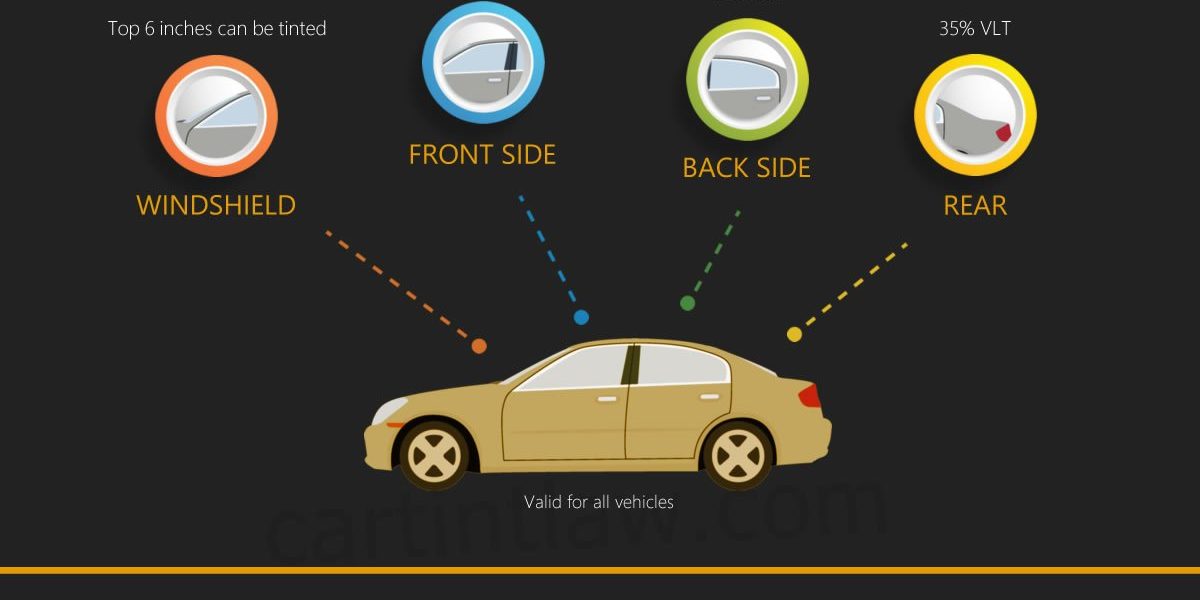

The legal tint in Massachusetts is crucial to understand for vehicle owners looking to customize their ride. With varying regulations across states, it’s essential to know what is permissible in your area. In Massachusetts, the legal tint for front side windows must allow at least 35% of light to pass through. For rear side and back windows, the tint can be darker as long as the vehicle has both side mirrors. Ensure compliance with the law to avoid any fines or penalties. Stay tuned to learn more about tint regulations in Massachusetts.

What Is the Legal Tint in Massachusetts: A Comprehensive Guide
Welcome to our detailed guide on the legal tint regulations in Massachusetts! Tinted windows offer privacy, reduce glare, and enhance the aesthetic appeal of your vehicle. However, it’s crucial to understand the laws regarding window tinting to ensure you comply with state regulations. In this article, we will delve into what constitutes legal tint in Massachusetts, what the restrictions are, and how to stay within the legal limits while enjoying the benefits of tinted windows.
Understanding Window Tinting
Window tinting involves applying a thin film to the interior of your vehicle’s windows to reduce the amount of light and heat that can pass through. Tinted windows can provide various benefits, such as increased privacy, UV protection, and improved comfort by reducing glare and heat inside the vehicle.
Legal Tint Limits in Massachusetts
When it comes to window tinting, Massachusetts has specific regulations in place to ensure the safety of drivers and passengers on the road. The legal tint limits in Massachusetts are as follows:
Front Side Windows
The front side windows of a vehicle must allow at least 70% of light to pass through. This means that only a minimal level of tint is allowed on the front side windows to maintain visibility and ensure the safety of drivers.
Rear Windows
For rear windows, including the rear windshield, vehicles can have a darker tint. The law allows for a minimum of 35% light transmittance for rear windows, providing some privacy and sun protection for passengers in the back seats.
Enforcement of Tint Regulations
It’s essential to comply with Massachusetts tint laws to avoid fines and penalties. Law enforcement officers may conduct inspections to ensure that vehicles meet the state’s tint regulations. If your windows are found to have illegal tint, you may be issued a citation and required to remove the tint or face further consequences.
Benefits of Legal Tint
While it’s important to adhere to the legal tint limits in Massachusetts, there are still many benefits to having tinted windows that comply with state regulations. Some of the advantages of legal tint include:
UV Protection
Legal tint can help block harmful UV rays, protecting your skin and the interior of your vehicle from sun damage.
Enhanced Privacy
Even with the legal tint limits, tinted windows can offer increased privacy for you and your passengers while driving.
Improved Comfort
By reducing glare and heat, legal tint can make your driving experience more comfortable, especially during hot summer days.
Choosing the Right Tint
When selecting window tint for your vehicle in Massachusetts, make sure to choose a reputable installer who is familiar with state regulations. Opt for tints that comply with the legal limits to avoid any issues with law enforcement.
In conclusion, understanding the legal tint limits in Massachusetts is crucial for vehicle owners who wish to tint their windows. By following the state regulations and choosing the right tint, you can enjoy the benefits of tinted windows while staying within the legal limits. Remember to prioritize safety and compliance when it comes to window tinting, and enjoy the advantages of legal tint on your vehicle!
2024 Massachusetts Window Tint Laws Explained – Know the Legal Tint Limit
Frequently Asked Questions
What are the regulations for window tint in Massachusetts?
In Massachusetts, the front side windows must allow at least 35% of light to pass through. The rear windows and rear windshield can have any tint darkness.
Are there any restrictions on the color of window tint in Massachusetts?
Massachusetts law does not specify any restrictions on the color of window tint. However, it is important to ensure that the windows are not mirrored or reflective.
Can I have a sun visor strip on the windshield in Massachusetts?
Yes, in Massachusetts, drivers are allowed to have a sun visor strip on the windshield that does not extend more than 6 inches from the top of the windshield or below the AS1 line of the windshield.
Final Thoughts
In Massachusetts, the legal tint for car windows is 35% for rear side and rear windows. The front side windows must allow at least 70% of light transmission. It’s crucial to adhere to these regulations to avoid fines and ensure visibility and safety on the road. Understanding what is the legal tint in Massachusetts is essential for all vehicle owners to comply with the law and maintain road safety.